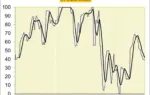




The precious metals sector has entered a decisive correction phase, according to the latest technical updates from market analysts and editors tracking gold, the US dollar, and related equities. Recent market assessments indicate that the overarching sector cycle indicator has shifted firmly into a downward trajectory, prompting warnings for investors to exercise caution while presenting tactical opportunities for short-term traders navigating current volatility.

While market participants often grapple with conflicting signals during periods of heightened volatility, technical indicators remain among the most closely watched instruments for gauging market direction. Analysts note that while these systems are not infallible—periodically suffering from short-term whipsaws during erratic trading sessions—they consistently offer a reliable overarching roadmap for speculation.

The current reading has triggered distinct strategic guidelines for different segments of the market. For traditional investors holding exposure within the gold space, the prevailing recommendation is to retreat to the safety of cash positions or implement robust hedging strategies to protect capital against potential further downside. Conversely, for active traders, the ongoing market mechanics outline a classic tactical approach: entering positions near established cycle bottoms and exiting promptly at cycle tops to secure short-term gains while the broader correction plays out.

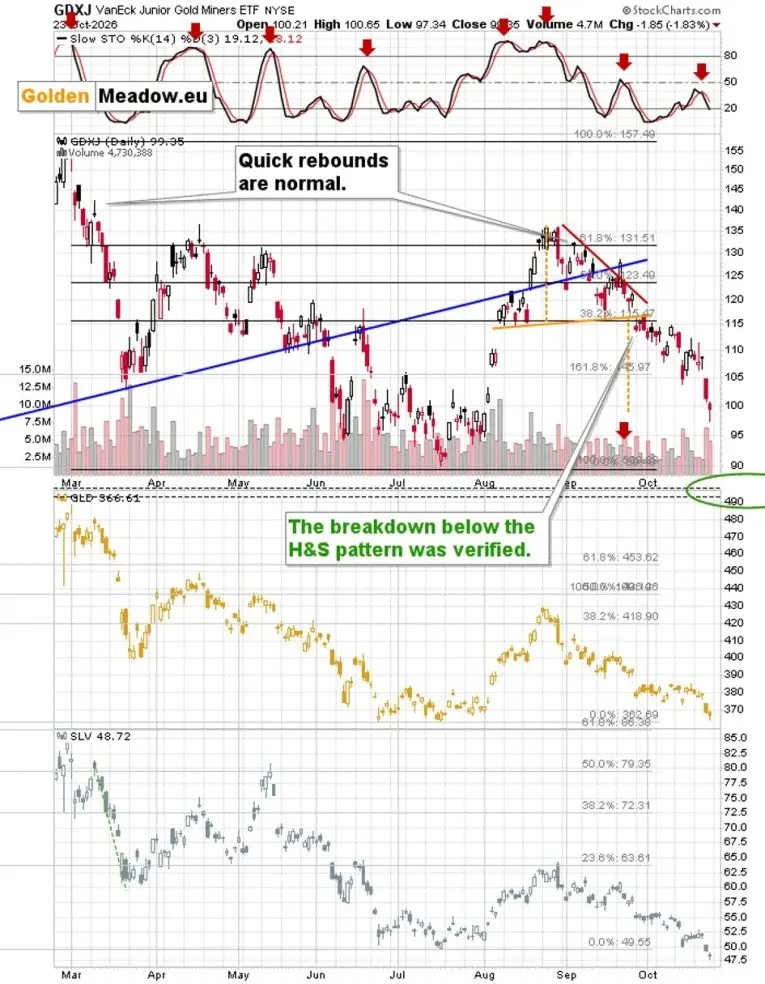
This shift in momentum is underscored by a series of recent technical developments across major exchange-traded funds and equities. Broad market indicators, including GLD, which tracks physical gold, have flashed short-term sell signals. This weakness is similarly reflected across major mining equities and indices. Both GDX, the primary ETF for senior gold mining companies, and GDXJ, which focuses on junior gold miners, are currently resting on short-term sell signals. Canadian markets are mirroring this sentiment, with the XGD.to index also confirming a short-term sell signal.

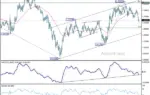
A deeper examination of the charts reveals the underlying technical framework driving these developments. Current speculative positioning points toward a lower trajectory for gold prices overall in the near term. Interestingly, this short-term correction occurs against the backdrop of a larger picture where the broader macro trend for physical gold remains pointed upward, though prices are presently testing critical support levels. A similar resilient primary trend remains visible for gold stocks, even as immediate momentum stumbles. Simultaneously, the US dollar continues to maintain an upward trend, creating a familiar macroeconomic headwind for dollar-denominated bullion and associated equities.

Further complicating the technical landscape, key performance ratios within the sector have triggered sell signals, while recovery rallies attempted by gold stocks have faced firm rejection at established resistance levels. Despite these immediate hurdles, technical watchers are keeping a close eye on developing chart patterns, noting that a potential inverted head and shoulders formation may be in progress, which could eventually signal a more constructive base-building phase once the current corrective cycle runs its course.

In summary, the near-term landscape for the precious metals complex is defined by a downward cycle and an active market correction. Although the primary structural trends for both gold and gold stocks, alongside the US dollar, have previously leaned upward, recent recovery attempts have been soundly rejected at resistance levels.

Market commentators emphasize that these updates are derived from a systematic trading model rather than speculative market forecasts. The framework is designed to generate objective signals and technical setups that dictate whether market participants should maintain long positions, short positions, or sit on the sidelines in cash at any given moment. Because real-time entry points and stop-loss levels are continuously managed for subscribers, published commentary may not always reflect the instantaneous market positioning of the analysts. Market participants are ultimately reminded to evaluate these conditions and execute trades at their own discretion.