



As global financial markets navigate a pivotal macroeconomic phase, investors are finding themselves caught at the intersection of shifting monetary policy, sector-specific equity corrections, and mounting pressures within the precious metals complex. Observers of the broader macro landscape are carefully weighing the signals coming out of the fixed-income, equity, and commodity markets to determine whether current trends represent a temporary turbulence or the early stages of a deeper structural shift.
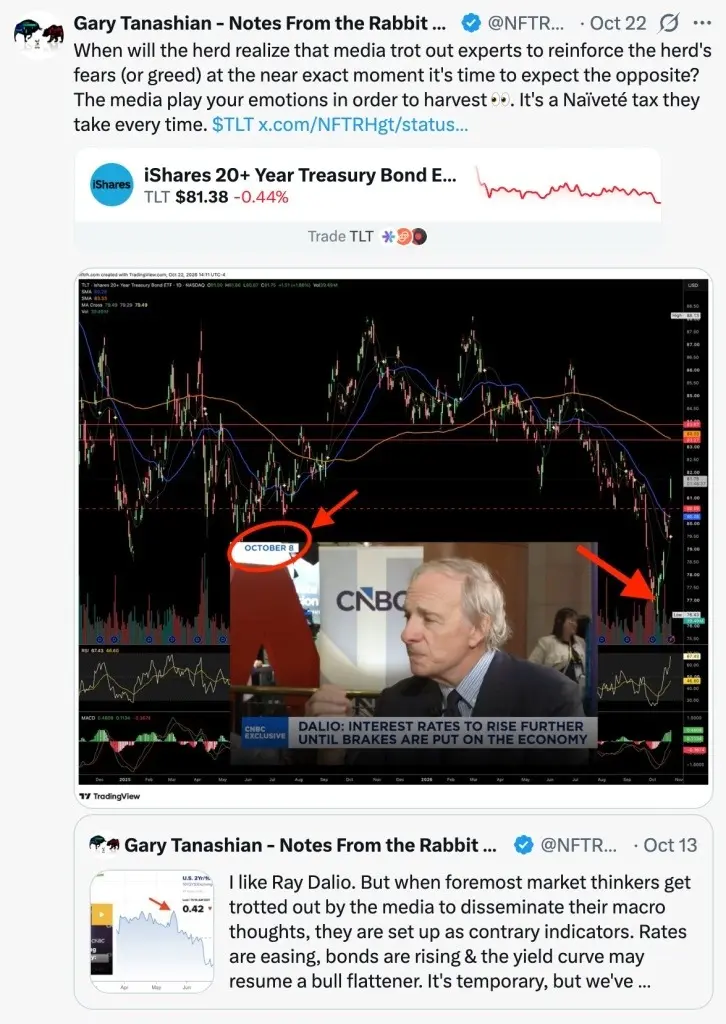
At the heart of the current fixed-income narrative is the performance of Treasury bonds. Initial market expectations pointed toward a yield curve flattening and a potential Goldilocks economic environment, a scenario in which long-term Treasury yields would remain weak relative to their short-term counterparts. Market interventions orchestrated by policymakers such as Scott Bessent and Kevin Warsh earlier in the autumn—frequently dubbed "Operation Twist 2.0"—were designed to influence the shape of the yield curve.

The strategy aimed to provide targeted support to long-term Treasury bonds while allowing the Federal Reserve’s hawkish impulse regarding the federal funds rate to keep short-term yields relatively firm. Data indicates that this dynamic has largely played out as anticipated, with the yield curve resuming its flattening trend in the short term. Analysts had previously anticipated that this disinflationary bond market signaling would manifest as a Goldilocks scenario prior to the midterm elections, characterized by an unusual combination of stock market strength and precious metals weakness. Thus far, however, that prediction has proven only partially correct.
While the fixed-income market has reacted predictably to policy maneuvers, the equity landscape has told a more complex story. The broader United States stock market has experienced underlying bearishness across numerous components and sectors. Yet, the benchmark S&P 500 index has managed to avoid significant damage through internal sector rotation. Despite this relative resilience at the index level, market technicians point to unresolved negative divergences visible on daily relative strength index (RSI) charts, suggesting that underlying vulnerabilities remain unaddressed.
When examining leadership sectors such as semiconductors and artificial intelligence-related equities, it becomes difficult to argue that prevailing conditions have favored the broader stock market. Following sharp pullbacks in major technology and semiconductor plays, market observers suggest that a dominant psychological driver has emerged: a rush into the perceived safety of Treasuries to quell a developing near-term debt confidence crisis. While policy efforts from figures like Bessent have aimed to support long-term debt, analysts argue that the primary catalyst is the capital being flushed out of overcrowded technology trades and redirected toward safe havens, often amplified by media narratives and shifting investor sentiment.

Historical patterns suggest that once the current bond market campaign reaches its conclusion, sectors like semiconductors could stage a comeback, potentially paving the way for a traditional seasonal equity rally. Current positioning strategies among cautious market participants reflect this uncertainty, leaning heavily toward cash and income-generating equivalents, select outperforming biopharmaceutical and software holdings, and intermediate 7-to-10-year Treasuries acquired in anticipation of the ongoing bond market dynamics.
Testing these theories involves monitoring high-flying growth names, such as Astera Labs, which recently saw capital reallocated near its 200-day moving average with strict risk parameters in place. Nonetheless, broader market indicators have yet to provide definitive confirmation that a stable equity bottom has been established, leaving market participants watching closely for further stabilization signals.
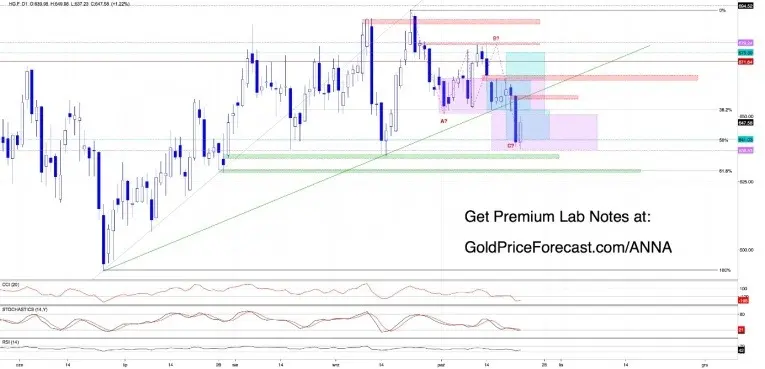
In the precious metals sector, gold has responded in a predictable fashion to the disinflationary signals sent by the flattening yield curve, testing lows not seen since earlier in the summer. Silver, possessing a higher sensitivity to broader economic and industrial inflation trends, has fared even worse, breaching its previous summer lows. Compounding the stress on the sector, gold miners face intense pressure from the gold-to-oil ratio (GOR). Because crude oil represents a primary operational cost driver for extraction, a plunging product price relative to energy costs creates severe negative fundamental leverage for traditional mining companies.

This challenging fundamental backdrop explains why cautious capital positioning has favored quality royalty and streaming companies, such as Royal Gold and Wheaton Precious Metals, alongside select exploration and development plays. Unlike traditional miners, royalty companies maintain negative exposure to bearish metal prices without suffering the same operational cost penalties.
Despite the daunting fundamental picture painted by the gold-to-oil ratio, other internal sector metrics offer a counter-narrative. The ratio of the HUI gold bugs index to the price of gold currently sits near its downside target at the 200-day moving average. This suggests that the internal market structure for mining equities has not yet fully embraced the catastrophic narrative implied by the gold-to-oil ratio. If gold is underperforming significantly in energy terms, market analysts question why mining equities are not yet exhibiting the traditional and severe negative leverage associated with such a mismatch.
As upcoming earnings seasons approach, these conflicting signals may represent either a final capitulation phase for lingering gold bugs or an impending turn in fundamental conditions for the better. The macro landscape remains heavily conflicted, reflecting the direct footprint of policymakers in the markets, ongoing internal sector rotations, and the persistent optimism of precious metals enthusiasts. With guessing remaining an inadequate substitute for disciplined strategy, market participants continue to evaluate incoming data on a weekly basis as the broader financial narrative unfolds toward year-end.