


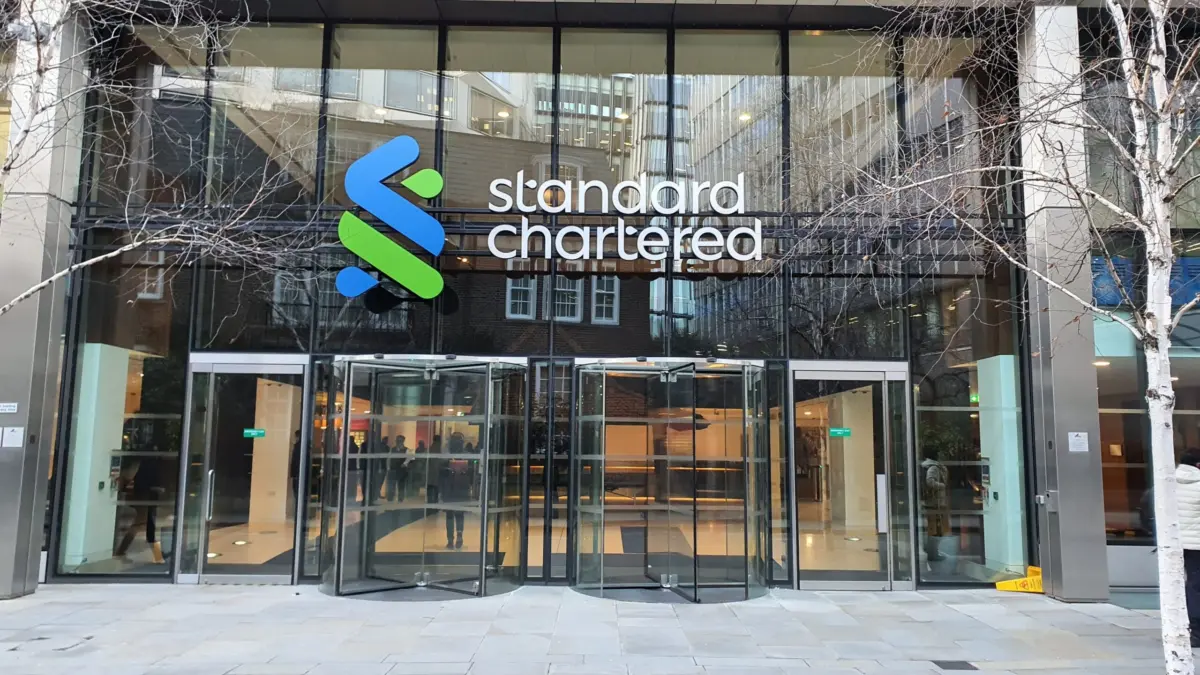
Global banking giant Standard Chartered has officially expanded its digital asset footprint by introducing institutional custody services for Ripple’s USD-pegged stablecoin, RLUSD, operating on the XRP Ledger. Delivered through the bank’s established branch in Dubai, the new service provides eligible institutional clients with a trusted, heavily regulated traditional banking institution to safely hold the dollar-pegged digital asset.
This development marks a significant step forward for institutional adoption of stablecoins, offering a secure bridge between traditional banking infrastructure and the rapidly evolving decentralized finance and tokenization ecosystems. By leveraging its presence in Dubai—a jurisdiction that has aggressively positioned itself as a progressive hub for virtual asset regulation—Standard Chartered is catering to a growing demand from corporate entities, asset managers, and institutional funds looking for compliant avenues to manage digital currencies.
In tandem with the launch of the Dubai custody service, Standard Chartered is also preparing to deepen its integration with the digital asset economy. The financial institution plans to collaborate with Ripple and LMAX Group, a prominent institutional trading venue specializing in foreign exchange and digital assets. Under the framework of this planned collaboration, clients would be empowered to utilize RLUSD held within Standard Chartered custody as trading collateral on LMAX’s platform.
However, this specific collateral linkage is not yet live. The bank noted that the arrangement remains subject to a variety of standard operational milestones, including comprehensive documentation, technical testing, rigorous regulatory compliance requirements, and final internal approvals. Despite the ongoing preparatory phases, the architectural vision behind the partnership points toward a transformative shift in how institutional market participants manage risk and liquidity.
Under the proposed framework, LMAX intends to permit its clients to use RLUSD securely stored at Standard Chartered to back their active trades. This setup eliminates the historical requirement for traders to transfer their stablecoins directly to a third-party trading venue to fund their positions.
This model introduces a crucial structural separation between custody and execution—a concept that resonates deeply with risk-averse financial institutions. In this environment, the bank maintains strict, secure custody of the actual cryptographic tokens, while the trading venue merely accepts the verified value of those assets as collateral. Such an arrangement could prove exceptionally appealing to traditional banks, investment funds, and large corporations that are eager to participate in high-frequency stablecoin trading markets but remain hesitant to leave substantial asset balances exposed on external trading platforms.
Industry experts have pointed out the profound implications of this separation for the broader financial landscape. Joseph Goh, head of Asia-Pacific at Singapore-based crypto investment bank Areta, emphasized the growing value of this specialized infrastructure. According to Goh, regulated custody that is seamlessly connected to a global systemically important bank is rapidly becoming one of the most vital pieces of infrastructure in the entire digital assets ecosystem.
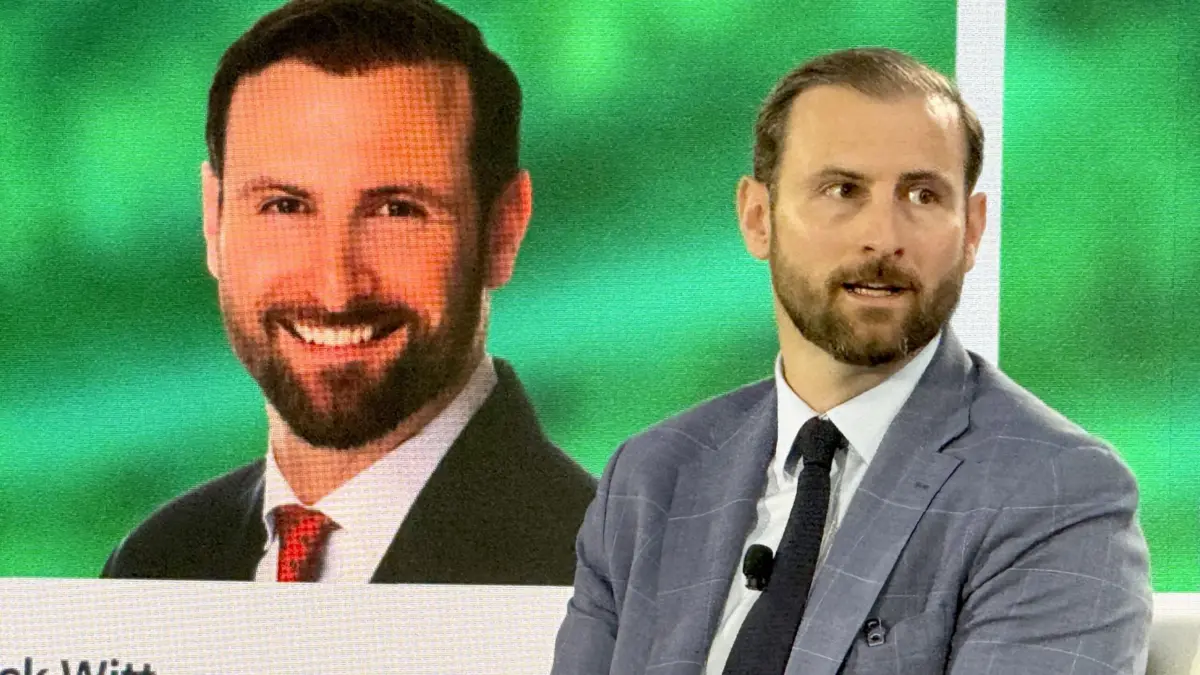
Echoing this sentiment, Waqar Chaudry, Standard Chartered’s global head of digital assets, securities services, and transaction services, highlighted the core motivation driving the bank’s strategic initiatives. Chaudry noted that institutional clients are increasingly looking to participate actively in digital asset markets without having to compromise on the rigorous standards used to safeguard their assets or manage their operational risk.
This latest initiative naturally builds upon Ripple’s broader, long-term strategic campaign to position RLUSD as a premier settlement and collateral asset for institutional finance. As part of its aggressive push to embed the stablecoin deeply within robust institutional infrastructure, Ripple previously injected $150 million in financing into LMAX Group in January. That substantial financial backing was specifically designed to accelerate the integration of RLUSD into LMAX’s institutional trading environment.
The prospective completion of the LMAX link would ultimately furnish RLUSD with an essential new pathway into the complex collateral systems that power institutional trading desks. Rather than restricting the stablecoin’s utility strictly to basic cross-border payments or localized spot settlement, the integration broadens its economic utility across sophisticated financial maneuvers, including derivatives and margin trading.
Standard Chartered’s foray into RLUSD custody and collateral linking is not an isolated event; rather, it forms a core component of the bank’s broader, aggressive expansion of its digital asset custody operations across several key global financial centers. The institution has systematically positioned itself at the forefront of the regulated digital asset banking sector through a series of calculated moves.
Just last week, Standard Chartered announced plans to roll out comprehensive institutional custody services in Singapore. That offering targets select cryptocurrencies, stablecoins, and tokenized real-world assets for institutional clients based in the Lion City. The foundation for these expanded services was further solidified earlier this year when Standard Chartered fully acquired Zodia Custody, taking total ownership of the specialized digital asset custody subsidiary.
Furthermore, the bank’s commitment to stablecoin distribution has already yielded historical milestones. In August, Standard Chartered made headlines by becoming the very first traditional banking institution to officially distribute one of Hong Kong’s newly regulated stablecoins, Anchorpoint’s Hong Kong dollar stablecoin.
As regulatory frameworks around the world continue to mature, traditional financial institutions like Standard Chartered are increasingly bridging the gap between legacy fiat systems and next-generation blockchain rails. By combining institutional-grade custody in strategic jurisdictions like Dubai with innovative collateral frameworks on platforms like LMAX, the bank is helping to shape the future architecture of global financial markets.