


Global financial markets are currently navigating a fascinating dual narrative, characterized by a powerful resurgence in artificial intelligence equities and a simultaneously robust rally in the United States dollar. These two distinct market forces reflect separate economic drivers that are managing to coexist, at least for the time being, despite the traditional inverse relationship between high-growth technology valuations and elevated borrowing costs.
The primary catalyst for the renewed optimism in the technology sector came from stellar quarterly financial reports delivered by CoreWeave, an emerging bellwether for AI infrastructure. The company’s exceptional results provided much-needed reassurance to investors following a steep correction late last week, sparking an impressive relief rally across global semiconductor and technology shares. Asian markets led the charge, with Taiwan stocks surging 3.6 percent, South Korea’s KOSPI advancing 2.60 percent, and Japan’s Nikkei climbing 1.31 percent. European technology counters quickly followed suit, while Nasdaq-100 futures pointed toward a powerful rebound on Wall Street.
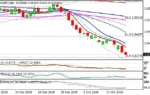
Concurrently, the foreign exchange market has seen the US dollar extend its recent advance. The US Dollar Index (DXY) moved firmly toward the 102.52 mark and is now approaching critical resistance near 103. This currency strength is being fueled by a significant hawkish repricing of the Federal Reserve’s monetary policy outlook, driven by persistent inflation concerns and a series of assertive remarks from central bank officials.
The simultaneous strength in both risk-on technology assets and a safe-haven, yield-supported greenback has raised important questions among market participants. Analysts are closely monitoring whether the current AI rebound can mature into a sustainable, long-term rally and whether the dollar can maintain its upward trajectory even as broader risk appetite shows signs of improving. Two straightforward technical benchmarks—the Nasdaq composite reclaiming the 26,000 level and the DXY testing the 103 threshold—provide vital barometers for assessing the durability of these respective market moves.
CoreWeave Revives AI Optimism, but Nasdaq Still Faces a Recovery Test
The artificial intelligence sector received a much-needed psychological and fundamental boost from CoreWeave’s better-than-expected third-quarter earnings report, which alleviated growing market anxieties regarding the sustainability of enterprise demand for specialized AI infrastructure.
CoreWeave reported an astonishing 168 percent surge in quarterly revenue, reaching $3.7 billion. Furthermore, the company issued robust full-year revenue guidance between $13.0 billion and $13.3 billion, easily outstripping Wall Street consensus estimates of approximately $12.86 billion. Beyond top-line figures, CoreWeave’s adjusted operating income forecasts also surpassed expectations, while a massive accumulation of approximately $9 billion in customer prepayments and deposits provided tangible proof of robust, long-term commitments for its advanced computing capacity. These metrics triggered a double-digit jump in CoreWeave shares during premarket trading and immediately reverberated across the broader global semiconductor complex.
Despite the enthusiasm generated by these numbers, market strategists emphasize that the rebound remains heavily concentrated within the technology sector rather than reflecting a broad-based improvement in overall equity sentiment. Furthermore, CoreWeave’s stellar performance does not fully resolve lingering structural concerns regarding the massive capital expenditure requirements necessary to fund ongoing AI expansion, stretched valuation multiples across the sector, or potential regulatory hurdles facing the development of new data centers. These very headwinds were responsible for the sharp market correction observed just days prior.
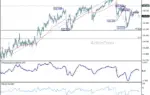
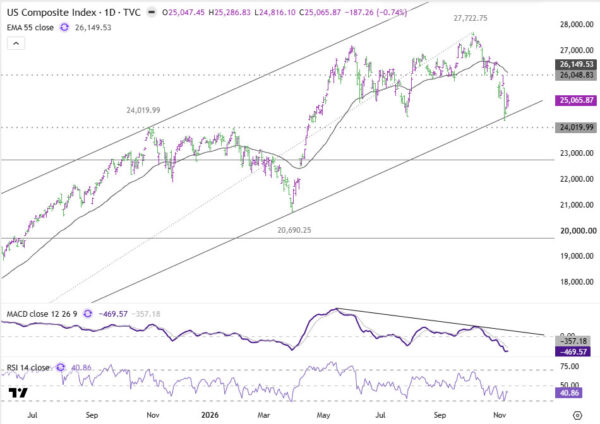
The speed of the recent market reversal highlights the fragility that still exists beneath the surface. Last Thursday, the Nasdaq Composite suffered a steep decline of approximately 5.5 percent, a sharp selloff that completely erased the gains from the preceding relief rally. As trading progressed into the week, the Nasdaq Composite hovered around the 25,066 level, remaining roughly 9.6 percent below its all-time record high.
The immediate technical hurdle for the index is whether this latest recovery momentum can push prices back above the 26,000 region, a significant psychological milestone that coincides closely with the index’s 55-day moving average. A sustained break and daily close above that critical zone would significantly reinforce the argument that the recent market correction has run its course and that a durable bottom has been established. Conversely, a failure to regain this key moving average would leave open the distinct possibility that the latest advance is merely another temporary relief rally in an ongoing consolidation phase.
Dollar Extends Rally as Markets Pricing More Fed Tightening
While AI-related equities draw their strength from fundamental earnings growth and infrastructure demand, the US dollar is benefiting from an entirely separate macroeconomic dynamic: a radical reassessment of the Federal Reserve’s monetary policy path.
The shift in market expectations has been dramatic. Following stronger-than-expected US consumer price index data for October and a succession of hawkish comments from Federal Reserve officials, investors have rapidly abandoned hopes for an imminent pause or pivot in monetary easing. CME FedWatch data currently assigns an 85.6 percent probability to a standard 25-basis-point rate hike at the upcoming December Federal Open Market Committee meeting, while pricing a 14.4 percent chance that the central bank could opt for a more aggressive 50-basis-point increase. The prospect of borrowing costs remaining unchanged has been virtually eliminated from market calculations.
Even more significant than the immediate December meeting outlook is the shift in cumulative policy tightening expected through mid-2027. Market-implied pricing indicates that cumulative rate expectations have climbed from approximately 44 basis points late last week to 76 basis points. This upward revision effectively means that interest rate futures are now pricing in more than one additional 25-basis-point rate hike above previous expectations.
This aggressive repricing sent shockwaves through the fixed-income market, triggering a sharp surge in US Treasury yields. The benchmark two-year Treasury yield jumped 18 basis points in a single session to touch 4.746 percent, while the ten-year yield climbed toward the critical 5.000 percent psychological threshold.
Reflecting these higher yields, the US dollar extended its strong advance against a basket of major trading currencies. The DXY index climbed roughly 0.5 percent, pressing toward the 102.52 level and moving within striking distance of the pivotal 103 resistance region, which sits just above its recent peak of 102.945. A decisive breakthrough past the 103 mark would solidify the bullish case for the broader dollar uptrend, proving that aggressive Fed tightening expectations are capable of maintaining upward pressure on the currency even in an environment of recovering equity markets. On the other hand, a failure to overcome this technical ceiling could signal that the bulk of the near-term policy repricing has already been fully absorbed by the greenback.
Can AI Stocks and Dollar Continue Rising Together?
The simultaneous recovery of high-beta artificial intelligence equities and a yield-supported US dollar might initially appear contradictory, given that rising interest rates traditionally create severe headwinds for growth-oriented equity valuations by increasing the discount rate applied to future corporate cash flows. However, financial markets are proving that these two powerful rallies can coexist due to several distinct economic mechanisms.
First and foremost, the two asset classes are reacting to entirely separate fundamental catalysts. Artificial intelligence equities are being propelled higher by concrete corporate earnings beats and robust capital expenditure projections within the tech infrastructure ecosystem, whereas the US dollar is drawing its strength directly from macroeconomic monetary policy adjustments and shifting interest rate differentials. Because these two forces operate independently in the near term, technology stocks and the greenback are able to advance side by side.
Second, a sustained boom in artificial intelligence investment could potentially stimulate broader productivity gains and economic activity across the wider US economy. If AI-driven efficiency gains support sustained economic growth, the Federal Reserve may find itself with greater latitude to maintain tighter monetary policy without inadvertently triggering a recession. In this scenario, strong technology demand reinforces the economic resilience that justifies higher interest rates, thereby lending indirect support to the currency even as investors maintain an optimistic outlook on tech sector profits.
Third, an improvement in risk sentiment surrounding artificial intelligence could encourage global investors to reallocate capital away from safe-haven US government debt and back into growth equities. Such a portfolio rotation would naturally place downward pressure on Treasury prices while pushing yields higher, which could inadvertently provide an additional layer of support for the US dollar. However, analysts note that this capital rotation remains a theoretical transmission channel rather than a fully confirmed market dynamic. Because the US cash Treasury market was temporarily closed for Veterans Day, traders must wait for the reopening of fixed-income trading to confirm whether such a rotation is genuinely taking place.
Nevertheless, structural risks remain. If benchmark borrowing costs continue to climb and begin to weigh heavily on corporate debt servicing, technology sector valuations, or the massive financing requirements of upcoming AI infrastructure projects, the very same rising yields currently supporting the dollar could eventually undermine the equity market rebound.
For the time being, market participants will continue to monitor the 26,000 level on the Nasdaq Composite and the 103 threshold on the US Dollar Index. These key technical markers will ultimately determine whether AI optimism and a hawkish Federal Reserve can maintain their uneasy coexistence, or if one dominant market force will eventually eclipse the other.