




For individuals who pursue Financial Independence (FI), the journey is typically defined by decades of meticulous budgeting, diligent saving, and disciplined investing. However, according to prominent personal finance figures, achieving financial freedom introduces an unexpected psychological hurdle: shifting from a lifelong identity of saving to actually spending accumulated wealth.
The creator of the popular personal finance platform the Mad Fientist recently addressed this phenomenon in a comprehensive podcast return, detailing a multi-year effort to master the art of spending money post-FI. While acknowledging that having excess wealth is an enviable problem, financial commentators note that it is a very real challenge for those who have built their entire lives around capital accumulation. After spending decades optimizing budgets and building an identity around frugality, flipping the switch to consumption is significantly more difficult than many anticipate.
This realization has taken on a renewed sense of urgency for the Mad Fientist, who turned 43 and recognized that peak spending years typically occur between the ages of 40 and 60. Having already crossed the threshold of more than 15 percent of those peak spending years while still treating spending as a future project, personal milestones have forced a recalibration. Recent family changes—such as sending a young child to preschool and confronting how rapidly a decade passes before children grow into teenagers—have served as an eye-opening reminder that time is finite. The central philosophical shift boils down to a fundamental premise: there is little point in accumulating a massive portfolio only to spend it late in life when the children are out of the house, echoing the sentiments of financial theorists like Bill Perkins, author of Die With Zero.
To dismantle years of ingrained habits that served them well during the accumulation phase but hinder them post-FI, financial minimalists are adopting new mental frameworks and structural changes. One of the primary adjustments involves abandoning hyper-specific financial tracking. While detailed category-by-category spreadsheets are indispensable tools for reaching financial independence, continuing to track granular expenses post-FI can consume valuable mental energy and induce counterproductive guilt. Monitoring whether a monthly restaurant budget was exceeded can create unnecessary friction, discouraging spending that should otherwise be effortless. Instead, experts suggest streamlining financial oversight to focus purely on high-level net worth tracking, thereby eliminating the psychological burden of micro-managing daily expenditures.
Another critical psychological barrier stems from lingering scarcity mindsets forged during early adulthood. Many individuals find their internal valuation anchored to their college years, where spending modest sums like ten dollars felt like a major decision. To counteract this cognitive bias, financial planners recommend recontextualizing historical expenses against current net worth. By dividing a small baseline expense by past net worth and scaling it to present-day figures, individuals can visualize the relative insignificance of everyday purchases. Similar frameworks, such as specific percentage-based wealth ladder rules popularized in financial literature, help consumers easily differentiate between expenses that genuinely warrant attention and those that can be ignored entirely, liberating individuals from the habit of scrutinizing every single transaction.
Alongside mental reframing, financial strategists advocate letting go of the pursuit of absolute efficiency. As personal financial systems scale and grow larger, maintaining a perfectly optimized, waste-free system becomes impractical. In the accumulation phase, unnecessary expenses are often viewed as failures, leading people to make do with substandard alternatives. Post-FI, however, embracing a degree of inefficiency is viewed as a necessary byproduct of pushing boundaries and expanding one’s comfort zone. Whether making a purchase that turns out to be slightly miscalculated or opting for a higher-end product without exhaustive research, acknowledging that minor waste is harmless helps alleviate the mental energy previously spent on trivial financial decisions.
To bridge the gap between saving and spending, individuals are also redefining how they view expenses by categorizing purchases as potential investments or strategic business costs. While seasoned investors may scoff at the compulsion to justify personal consumption through an investment lens, reframing purchases like a comfortable home or high-end musical equipment can help mitigate hesitation. Viewing a primary residence or top-tier professional gear as an asset that can eventually be resold provides the psychological permission needed to pull the trigger on quality-of-life upgrades. Furthermore, establishing dedicated annual splurge allocations—funds specifically designated for experiences that initially feel extravagant, such as luxury vehicle rentals for family road trips or spacious vacation homes for gatherings with relatives—encourages individuals to cross comfortable spending boundaries and build lasting memories.
Structural adjustments can also automate the transition toward consumption. For instance, turning off automated dividend reinvestment in taxable brokerage accounts allows cash to visibly accumulate, naturally prompting investors to allocate those funds toward living rather than continuous reinvestment. Similarly, resisting the temptation to inflate permanent, long-term fixed costs helps prevent the anxiety associated with market downturns. By focusing spending on flexible, one-off experiences, adventures, and meaningful travel rather than locked-in monthly obligations, individuals can treat every month as a new opportunity to enjoy their wealth safely.
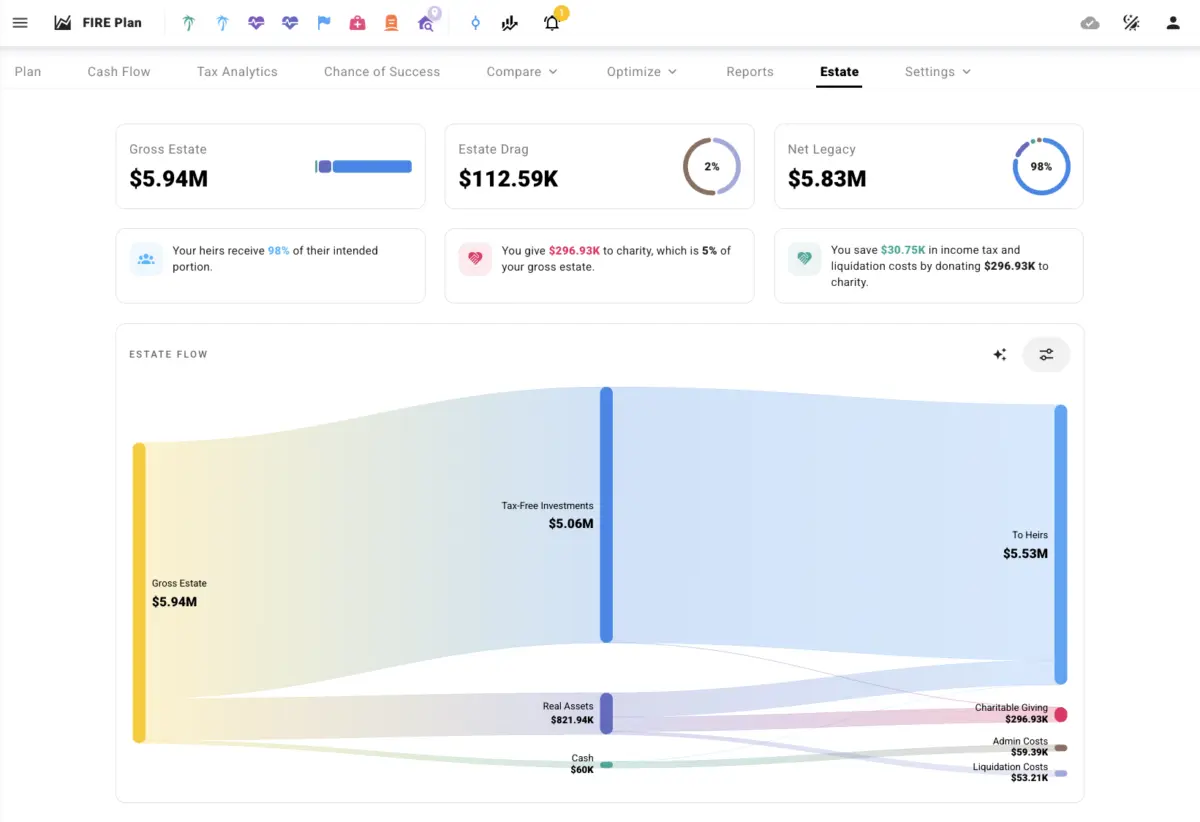
Generosity has also emerged as a vital component of the post-FI spending evolution. Adopting simple heuristics—such as automatically selecting higher tipping tiers or generously supporting friends and family members engaged in charitable fundraising—helps eliminate the mental friction of micro-decisions while sharing wealth more broadly with the community. Surprising loved ones with bucket-list experiences, such as booking premiere tickets to major sporting events or musical performances, transforms capital into shared human experiences.
Ultimately, financial commentators emphasize that while transitioning from a saver’s mindset to a consumer’s mindset requires intentional effort and a willingness to feel temporarily uncomfortable, the risk of overspending is minimal for those with lifelong frugal habits. Even during periods of accelerated spending following major life milestones, natural spending habits tend to stabilize. By starting the process early, challenging old assumptions, and treating spending as a skill to be developed alongside saving, individuals can ensure their accumulated wealth actually enriches their lives and the lives of those around them.