



Major currencies typically move less sharply than equities or cryptocurrencies, but sudden shifts in global monetary policy, escalating macroeconomic pressures, and shifting investor confidence can trigger explosive movements across traditional financial markets.
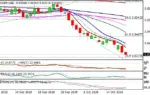
The U.S. Dollar Index (DXY), which measures the greenback against a basket of six major international currencies, reached roughly 102.5 on Monday morning, marking its highest level in nearly 18 months. Having steadily climbed from around the 99 mark in early September, the index is now comfortably positioned above its 200-year moving average—which also hovers near 99—serving as a clear technical signal of strengthening bullish momentum for the U.S. currency.
This pronounced strengthening of the dollar typically creates significant headwinds for broader risk assets across the global financial ecosystem. A rising dollar increases the cost of servicing dollar-denominated debt outside of the United States, straining emerging markets and corporate borrowers abroad, while simultaneously reducing the international purchasing power of overseas investors. When this currency appreciation is accompanied by higher domestic interest rates, cash and government bonds become considerably more attractive, thereby raising the hurdle rate for speculative investments in equities and digital assets like bitcoin, which was recently trading around $86,004.30.
Federal Reserve Policy and Rising Treasury Yields
The broader macroeconomic environment driving currency markets has been heavily influenced by the Federal Reserve’s monetary policy decisions. In September, the U.S. central bank implemented a 25-basis-point interest rate hike, lifting the federal funds rate to a target range of 3.75% to 4%. This marked the Fed’s first rate increase since July 2023, signaling a decisive shift in central bank policy aimed at curbing persistent inflationary pressures.
Financial markets have quickly adapted to this pivot, with futures pricing indicating expectations of further monetary tightening. A target rate range of 4.5% to 4.75% has increasingly emerged as the most likely consensus outcome among traders by June 2027. This anticipated path of higher interest rates has driven U.S. Treasury yields upward, compounding existing market anxieties regarding domestic inflation, accelerating government borrowing, and long-term fiscal sustainability. As a result, long-term U.S. yields have surged to levels not witnessed in more than two decades, further cementing the dollar’s dominance.

Euro Weakness and European Political Uncertainty
While U.S. economic factors are a primary catalyst, euro weakness has served as another major engine driving the DXY higher, given that the euro accounts for a dominant 57.6% weight within the dollar index basket.
The single currency has tumbled toward 1.12 against the dollar, marking a 17-month low as mounting fiscal deficits and political instability across the eurozone weigh heavily on investor confidence. France, in particular, is facing intense scrutiny and rising pressure over its ballooning national deficit and escalating borrowing costs ahead of the country’s upcoming presidential election next year.
At the same time, political turmoil in Southern Europe has added to regional apprehension. Spanish Prime Minister Pedro Sánchez recently called a snap general election for November 29, compounding market uncertainty across the continent and driving capital away from European assets and directly into the safety of U.S. dollar-denominated instruments.
Bitcoin Demonstrates Resilience Amid Macro Headwinds
Despite the formidable combination of a surging U.S. dollar, rising bond yields, and tightening global monetary conditions, the broader cryptocurrency market has demonstrated notable resilience. Bitcoin has managed to hold firm around the $86,000 threshold following a remarkably strong start to October.
While conventional financial theory suggests that a strong dollar and rising interest rates should draw capital away from non-yielding risk-on assets, bitcoin’s continued stability near these elevated levels highlights shifting market dynamics. Analysts continue to monitor how the digital asset will navigate ongoing macroeconomic crosscurrents as foreign exchange markets absorb the dual pressures of European political instability and aggressive U.S. monetary policy.