



Financial markets across the globe are increasingly finding themselves locked in a psychological and structural debate, as analysts, traders, and institutional investors draw striking parallels between current market conditions and the turbulent environment of 2015. While every economic cycle possesses its own distinct catalysts, policy responses, and geopolitical backdrops, history often rhymes in the ways fear manifests on trading floors. As modern equity indices grapple with sudden spikes in volatility, sharp price corrections, and heightened investor anxiety, market participants are looking backward to decode what the past might reveal about the road ahead.
The year 2015 remains etched in the collective memory of Wall Street and global financial centers as a period of profound uncertainty, characterized by severe growth concerns in emerging markets, a dramatic slump in commodity prices, and persistent jitters surrounding central bank policy shifts. During that tumultuous year, global equities experienced sharp sell-offs driven by fears of a hard economic landing in China, unexpected currency devaluation, and the looming prospect of the United States Federal Reserve finally raising interest rates after years of post-financial crisis quantitative easing. Today, as markets navigate a complex matrix of persistent inflation, fluctuating interest rate expectations, and geopolitical friction, the ghost of 2015 has resurfaced in commentary desks and macroeconomic research notes alike.
To understand why market observers are invoking the events of nearly a decade ago, one must examine the specific mechanics of investor sentiment during periods of transition. In financial markets, panic is rarely born out of nowhere; it typically builds incrementally as asset prices stretch toward valuations that demand perfection. When macroeconomic data begins to crack or unexpected shocks emerge, market participants who had grown complacent suddenly rush toward the exits. This dynamic creates the quintessential sharp price collapse and extreme volatility that defined the worst stretches of 2015 and that are increasingly visible in modern trading patterns. Whether triggered by shifting monetary policy expectations, sudden contractions in manufacturing data, or sudden liquidity squeezes, the underlying behavioral psychology of investors remains remarkably consistent.
During the mid-2010s shock, the epicenter of anxiety was heavily tied to the health of the Chinese economy and its broader implications for global growth. Concerns that the world’s second-largest economy was decelerating far more rapidly than official statistics suggested sent shockwaves through international markets. Industrial metals, crude oil, and other vital commodities plummeted as demand projections were hastily revised downward. This commodity crash severely impacted emerging market economies that relied heavily on resource exports, creating a ripple effect that eventually pressured major Western indices. In the current economic landscape, while the specific geographical flashpoints may differ, the underlying vulnerability to global growth deceleration remains a primary source of anxiety for institutional allocators.

Compounding the external pressures in 2015 was the delicate communication challenge facing the Federal Reserve. For months leading up to the eventual rate hike in December of that year, financial markets existed in a state of suspended animation, paralyzed by speculation over the exact timing of monetary tightening. Every piece of economic data—from monthly employment reports to retail sales figures—was scrutinized through the singular lens of whether it would force the central bank’s hand. This environment of heightened sensitivity to monetary policy bears a striking resemblance to the ongoing debates surrounding interest rates today. Investors are perpetually trying to outguess central bankers, reading every nuance in policy statements and press conferences for signs of prolonged restriction or premature easing.
Furthermore, the structure of market liquidity has evolved significantly since 2015, yet certain vulnerabilities persist. The increasing dominance of algorithmic trading, passive indexing, and high-frequency execution strategies has fundamentally altered how capital moves in and out of asset classes. When sentiment shifts from optimism to fear, these automated systems can exacerbate downward momentum, transforming routine market pullbacks into sharp, sudden liquidations. In 2015, flash crashes and intraday volatility spikes provided an early glimpse of how quickly liquidity could evaporate during moments of acute stress. Modern markets continue to grapple with these structural realities, where a sudden catalyst can ignite a chain reaction of margin calls and risk-reduction mandates across diverse portfolios.
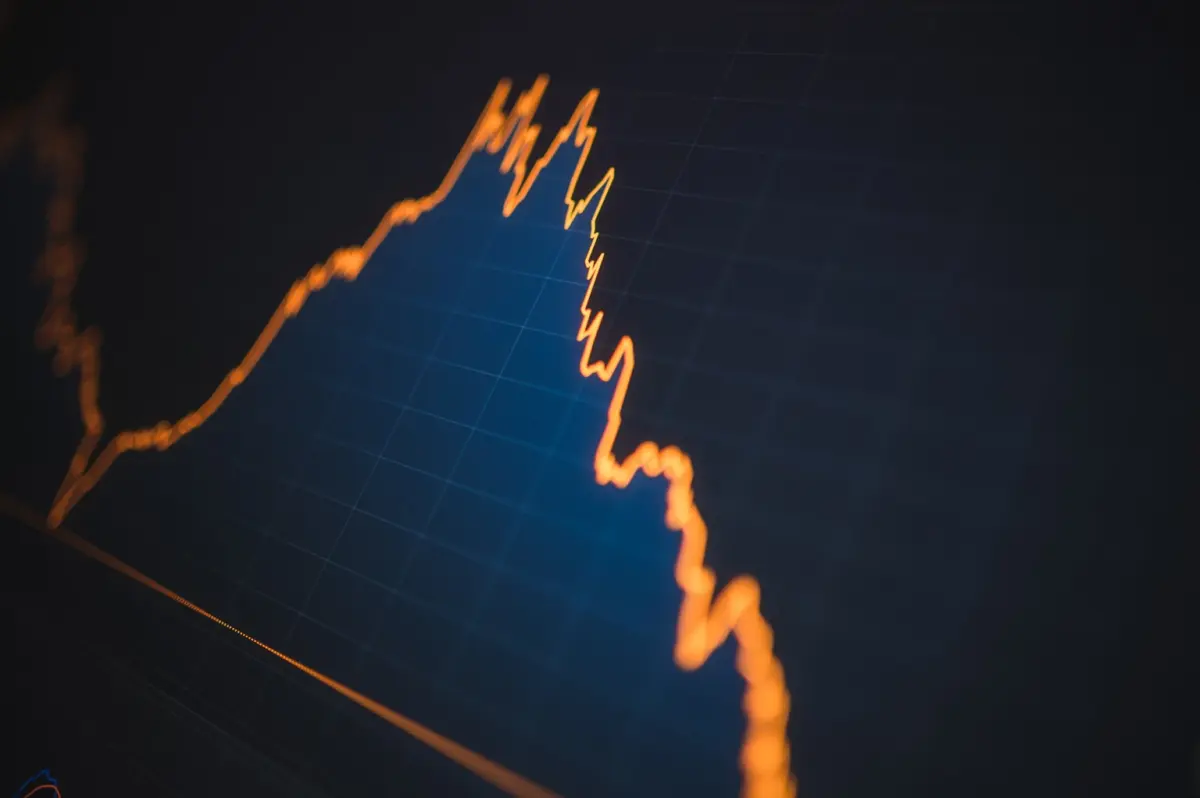
As financial analysts continue to debate whether current conditions genuinely mirror the setup of 2015, the broader lesson centers on resilience and risk management. Market downturns driven by a combination of sentiment shifts, macroeconomic uncertainty, and monetary policy transitions often present both severe challenges and unique opportunities for disciplined investors. While the visual of a stock market panic sell-off chart—marked by precipitous vertical drops and frantic recovery attempts—evokes images of crisis, it also highlights the cyclical nature of financial capitalism. Markets have historically demonstrated an immense capacity to absorb shocks, re-price risk, and eventually establish new baselines once clarity replaces panic.
Ultimately, whether current market turbulence proves to be a direct echo of 2015 or merely another chapter in the long history of market volatility, the overarching takeaway for participants is clear. Vigilance regarding asset allocation, a sober assessment of underlying fundamentals, and an understanding of historical market behavior remain the most reliable tools for navigating periods of extreme uncertainty. As trading floors continue to process incoming macroeconomic data and geopolitical developments, the market will ultimately decide whether it is destined to repeat the history of a decade ago or carve out an entirely new trajectory.