




As the final hours of March tick away, marking the end of both the month and the fiscal year for many individuals and organizations, a familiar blend of financial reflections and seasonal chores is taking center stage. For one long-serving professional currently winding down a decades-long career with less than sixty days remaining until retirement, the calendar holds a distinct historical and religious significance, coinciding with what is traditionally known as Fig Tuesday.
Observed during Holy Week, Fig Tuesday draws its name from biblical accounts surrounding the cursing of the fig tree. While the theological nuances of the event are well-documented by historians and scholars alike, for some observers, the day serves primarily as a quirky marker in an otherwise busy spring schedule. Beyond the ancient symbolism, however, practical modern-day concerns—ranging from automotive troubles and impending tax deadlines to long-term retirement strategies involving the Canada Pension Plan (CPP)—demand immediate attention.
Auto Fignations
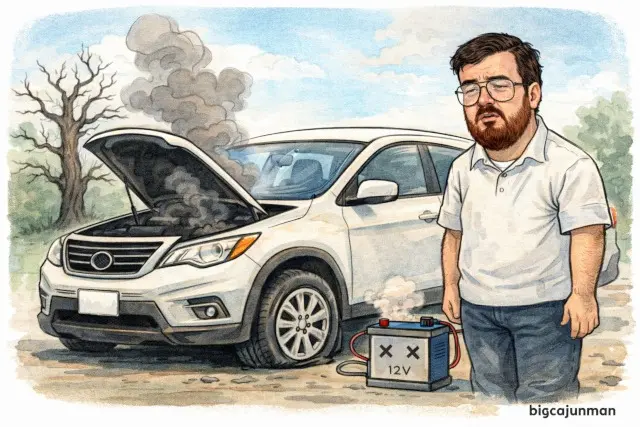
Spring maintenance on a primary vehicle is a routine ritual for drivers navigating changing weather conditions, particularly in regions like Ottawa where winter lingers late into the season. Routine seasonal maintenance took an unexpected turn following a semi-annual service appointment for a 2024 Nissan Rogue. The decision to swap out snow tires rolled the dice slightly ahead of the typical seasonal curve, leading to a series of automotive complications that prompted closer scrutiny of the vehicle’s reliability.
While experiences with vehicle performance can vary widely among owners, recurrent mechanical or electrical hiccups often spark frustration, leading drivers to ponder the dreaded comparison to a defective "lemon." Such frustrations frequently accelerate broader shifts in consumer habits. Across Canada, rising interest in sustainable transportation has placed zero-emission vehicles at the forefront of many household discussions. With federal and provincial initiatives supporting greener alternatives, exploring electric vehicles and supplementary home energy solutions, such as solar panels, is becoming an increasingly attractive proposition for drivers seeking relief from traditional maintenance and fuel costs.
Tax Time
The arrival of March 31 also serves as a stark reminder of the relentless calendar pressures associated with annual tax filings. While deadlines vary depending on individual and corporate filing requirements, the overarching mandate remains constant: organization is paramount. Gathering the necessary documentation requires patience and meticulous record-keeping.
For many households, collating eligible deductions—such as accumulated medical expenses—can be a time-consuming endeavor that spans several weeks or even months. Other specific claims, including specialized dietary expenses such as gluten-free food purchases for individuals managing conditions like Celiac disease, add further layers of complexity to the paperwork. Ensuring that receipts are properly categorized and filed well in advance of official deadlines remains a vital, if occasionally tedious, part of managing personal finances during the spring season.
CPP at 65 for Me?
As retirement approaches, key decisions regarding government benefits require careful long-term planning. For workers evaluating their financial baseline, the decision of when to begin drawing from the Canada Pension Plan is rarely straightforward. While eligibility begins at age 65 for many Canadians, opting to defer collections—potentially waiting until age 70—can significantly alter the long-term financial picture by increasing the monthly payout amount received later in life.
Balancing current income needs against future security involves assessing personal health, projected expenses, and overall retirement readiness. For workers with lengthy employment histories, navigating these milestones highlights decades of labor and economic resilience. Having maintained steady employment across forty working years—weathering periods of economic uncertainty and unforeseen layoffs without ever drawing on Employment Insurance—the transition into full retirement represents both a hard-earned reward and a new financial frontier.