



The cultural phenomenon surrounding the Academy Award-winning film Everything Everywhere All at Once extends far beyond its box office success and cinematic accolades. For many viewers, the chaotic sci-fi adventure serves as a mirror for deeply personal philosophical reflections. Among them is J.D., creator of the personal finance platform Get Rich Slowly, who has found himself deeply impacted by the film’s chaotic yet surprisingly grounded exploration of existence, family, and meaning.
Released by A24 and directed by Daniel Kwan and Daniel Scheinert, the movie presents a bizarre and vibrant blend of high-concept science fiction, martial arts action, philosophical inquiry, mundane tax preparation, and juvenile humor. For audiences who connect with its frantic pacing, the film offers a profound message wrapped in absurdity.
The narrative ostensibly follows Evelyn and Waymond Wang, a Chinese-American couple struggling to keep their suburban laundromat afloat while navigating a fracturing marriage and a tense relationship with their daughter, Joy. During a routine and deeply stressful meeting with a skeptical IRS auditor, Evelyn’s reality is upended. She is suddenly contacted by an alternate-universe version of her husband, who warns her that the multiverse—comprising countless parallel realities—is under severe threat from a nihilistic, god-like entity known as Jobu Tupaki. Evelyn quickly discovers that she is uniquely positioned to traverse these parallel dimensions, access the skills of her alternate selves, and save existence itself.
What begins as an absurdist comedy quickly evolves into an emotionally resonant exploration of generational trauma, regret, and the search for purpose in a seemingly infinite and indifferent universe.
For many viewers, the film’s existential core resonates intensely with personal milestones and moments of profound grief. Navigating difficult personal losses often forces individuals into a state of acute nihilism, where the overwhelming scale of the universe makes everyday struggles feel utterly meaningless. Yet, the emotional resolution of Everything Everywhere All at Once offers a vital counterweight. It suggests that even if life lacks an inherent, grand design—especially because it lacks one—individuals retain the agency to forge their own meaning through deliberate choices, radical empathy, and everyday acts of kindness.
This thematic exploration of alternate realities and parallel lives is not confined to cinema. The cultural conversation surrounding the multiverse has expanded across multiple mediums, appearing prominently in contemporary literature such as Matt Haig’s novel The Midnight Library. That narrative follows a protagonist trapped in a liminal space between life and death, exploring various alternate lives she might have lived based on past decisions.
Together, these works reinforce a compelling psychological concept: individuals are rarely trapped permanently by their current reality or immediate circumstances. When dissatisfaction with a specific timeline arises, the responsibility for cultivating a more fulfilling existence rests entirely on the individual.
Designing Your Life
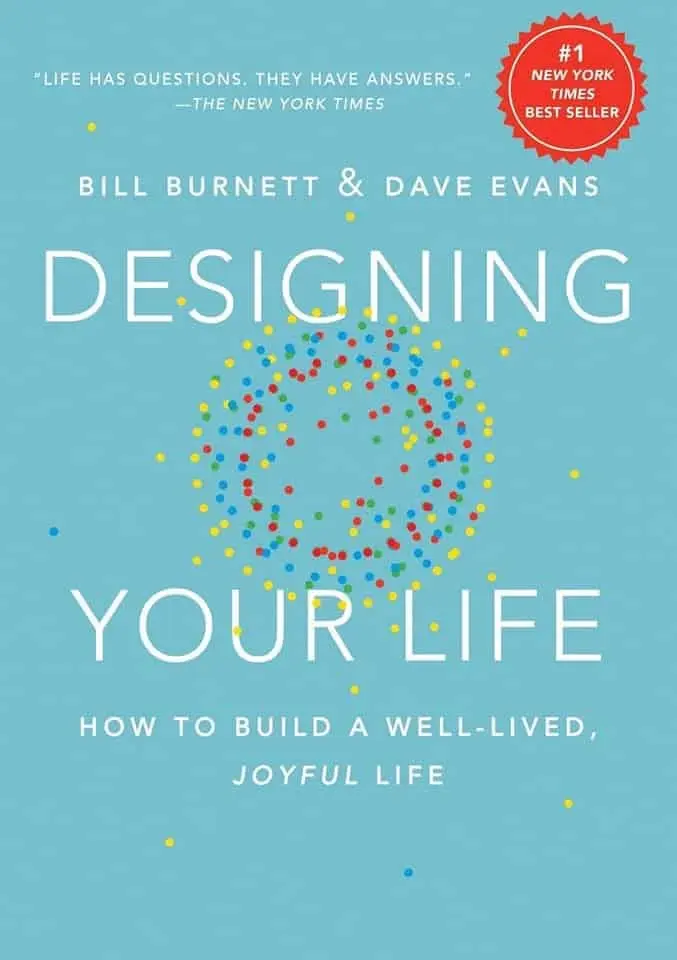
Translating this abstract, esoteric concept of alternate realities into practical, real-world action is the primary objective of the book Designing Your Life by Bill Burnett and Dave Evans. Initially perceived as a career guide targeted at young adults, the book derives its core material from a popular course taught at Stanford University’s Life Design Lab.
Bill Burnett serves as the executive director of the Stanford Design Program and previously contributed to Apple’s early laptop design team, while Dave Evans co-directs the Life Design Lab and is an early employee of the pioneering video game company Electronic Arts. By encouraging readers to apply foundational principles from the world of design to the architecture of their own futures, the authors provide a framework for evaluating personal alignment.
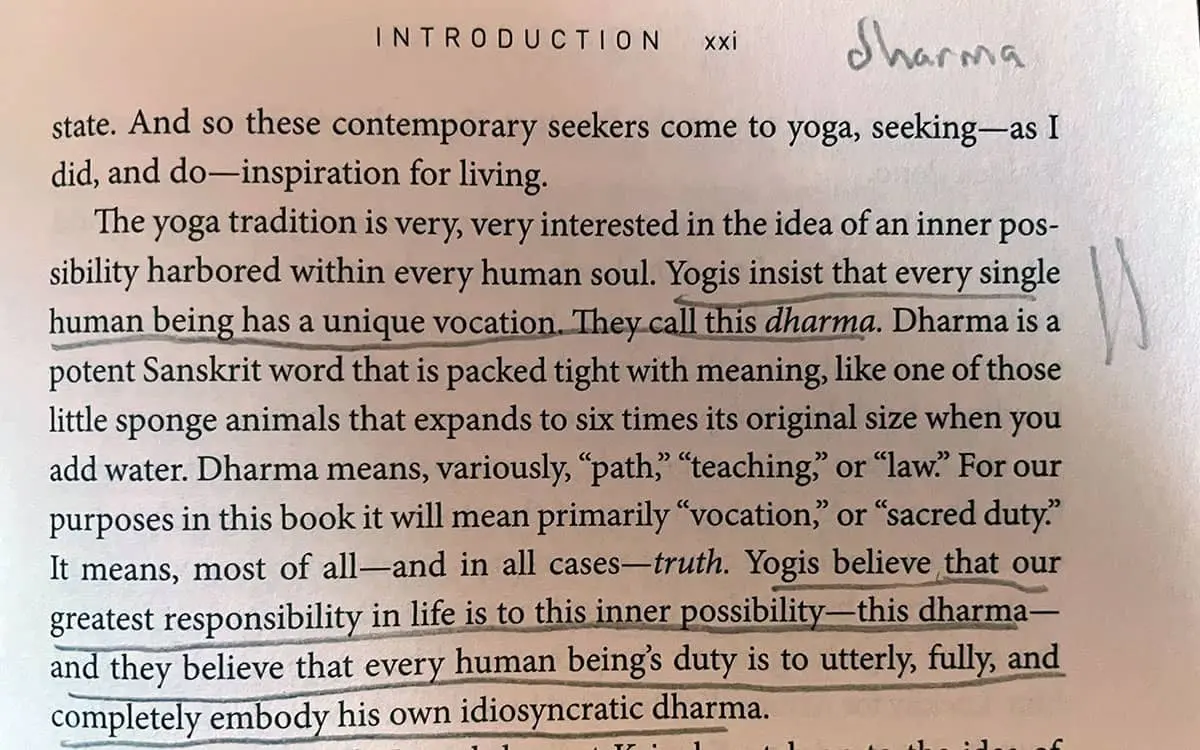
At the heart of the book is the concept of coherence. A well-designed life, according to Burnett and Evans, is one that makes logical and emotional sense—a state where personal identity, core beliefs, and daily actions operate in complete alignment.
To achieve this coherence, the authors outline several core disciplines and practical exercises designed to foster self-awareness. Among these exercises are reflective writing prompts that ask individuals to articulate their personal definitions of work and life. Readers compose concise statements regarding what they believe labor should achieve and what fundamentally makes human existence worth living, subsequently examining how these two perspectives complement or conflict with one another.
However, the most striking parallel to the concept of cinematic multiverses lies in the book’s framework for visualizing the future.
The Many Versions of You
Burnett and Evans challenge the premise that individuals are limited to a single, linear trajectory. Emphasizing that people naturally live multiple distinct lives over the course of a single lifetime, the authors introduce a forward-looking exercise known as the Odyssey Plan.
An Odyssey Plan functions essentially as a roadmap to an alternate universe. It requires individuals to draft three distinct, detailed visions of what their lives might look like five years into the future. By mapping out multiple parallel futures, participants are forced to recognize that a multitude of viable alternate realities remain available for exploration and intentional construction.
This multi-path approach offers a practical bridge between abstract personal mission statements and tangible, day-to-day execution. To demonstrate the versatility of this framework, various long-term professionals can apply the Odyssey Plan concept to their own careers and passions, illustrating how diverse futures can stem from a single set of core skills.
The first projected future typically centers on an extrapolation of an existing path. For a digital publisher and writer, this involves doubling down on core media projects—refining web platforms to prioritize reader experience over intrusive advertising, expanding digital video channels, and organizing accumulated insights into accessible digital formats. The goal in this primary timeline is simply to deepen and intensify the work already underway.
The second projected future explores an alternative path that an individual would pursue if their primary vocation were to vanish overnight. Drawing inspiration from personal experiences with family caregiving and the inevitable realities of aging and loss, this alternate trajectory might involve stepping away from digital commentary to focus on legacy preservation. By sitting down with individuals near the end of their lives, recording their personal histories, and helping families preserve meaningful oral histories, a writer can pivot their narrative talents toward grief support and community storytelling.
The third projected future embraces an uninhibited pipe dream—a path pursued if financial constraints and societal judgment were entirely removed from the equation. For a lifelong enthusiast of sequential art and cultural commentary, this might involve formal training in traditional illustration to produce narrative webcomics that blend creative storytelling with approachable financial education. Conceptualizing characters and narrative worlds allows creators to merge disparate lifelong passions into an entirely new creative outlet.
The Multiverse and Me
Exploring multiple possible futures through structured exercises like the Odyssey Plan offers a profound shift in perspective. Rather than viewing career paths and life choices as rigid, permanent decisions, individuals begin to see their lives as dynamic canvases capable of continuous reinvention.
While contemporary guides on personal finance and intentional living frequently emphasize wealth accumulation or early retirement, frameworks like those found in Designing Your Life address a more fundamental human challenge: defining what a genuinely well-lived existence entails. By taking the time to align personal values with deliberate action, and by drafting multiple five-year visions that reflect those coherent values, anyone can systematically construct a more intentional and joyful life.
Despite the profound value offered by such practical frameworks, readers occasionally encounter minor frustrating oversights in traditional publishing formats. Dense, idea-rich texts that lack a comprehensive index can make future referencing unnecessarily difficult, occasionally forcing readers to manually flip through pages to locate key concepts—a minor irony for a book so heavily anchored in deliberate design principles. Ultimately, however, the overarching lesson remains clear: the multiverse is not merely a cinematic device for science fiction blockbusters, but a practical lens through which anyone can reimagine and reshape their own reality.